
Czytam właśnie tłumaczenie i komentarz (znakomite zresztą) Sutry serca autorstwa Red Pine (Billa Portera).
I przy okazji rozważań o skandhach (czy też kandhach w jęz. Pali, gdzie zginęło sanskryckie “s”) trafiłem na fascynujący fragment o jednym z moich ulubionych drzew – banyanie (figowcu bengalskim).
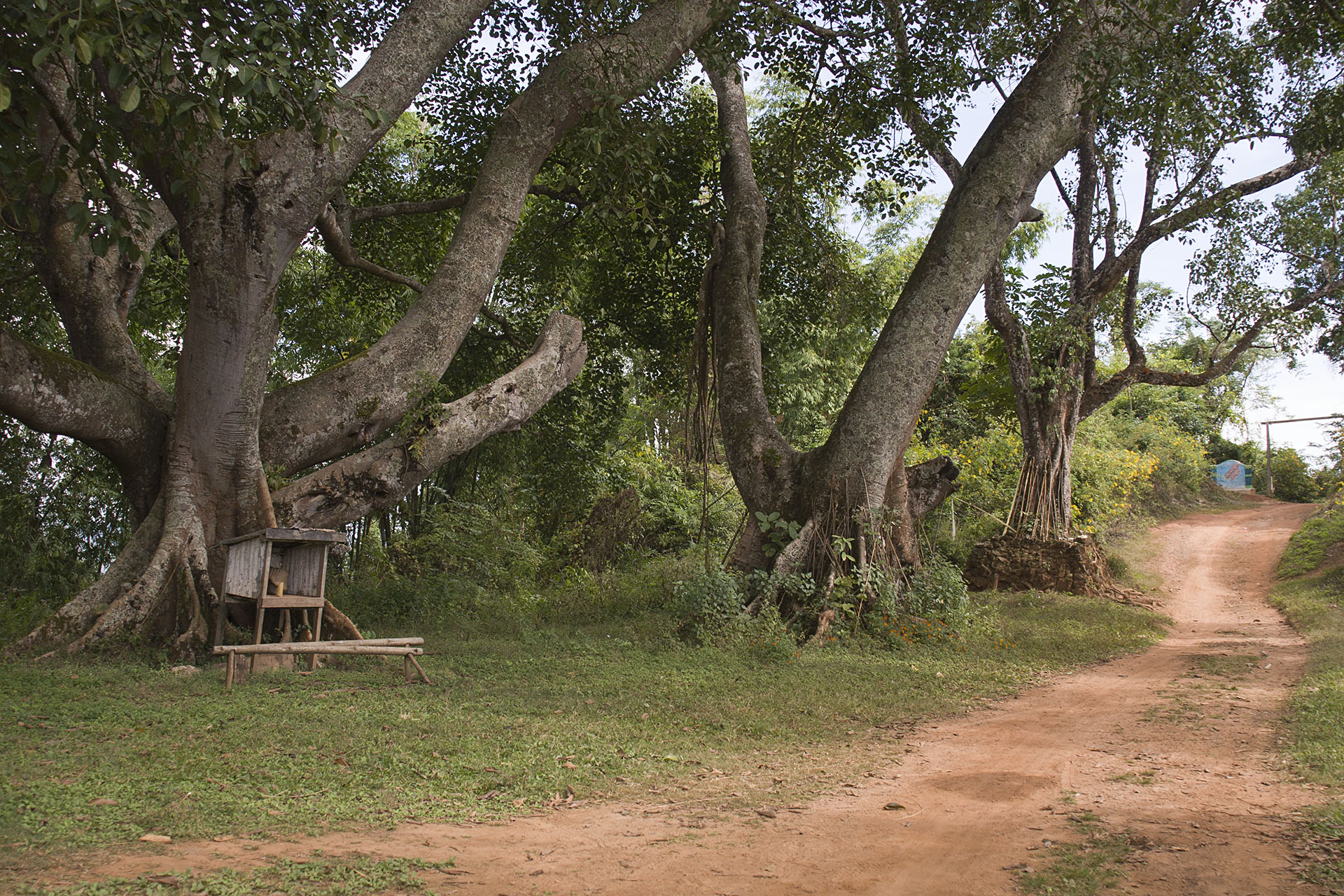
Banyany głęboko w górach wschodniej Birmy.
Na rozważania o skandhach chwilowo nie mam nastroju, natomiast przytoczę wspomiany fragment:
The Sanskrit word skandha refers to the trunk of a tree, and I think the trunk of a banyan, or Ficus indica, might have been what the Buddha had in mind when he started using this term. The banyan is one of the world’s most unusual trees. It begins as an aerial root that descends from a seed dropped by a bird in the canopy of another tree, such as a palm. After the seed sprouts, its root descends until it reaches the ground, and once established, it strangles its host. As it continues to grow, its branches put forth their own aerial roots, and these, in turn, form additional trunks. In the course of a hundred years, the original trunk becomes impossible to distinguish among the grove of roots that develop into trunks. In Sri Lanka, there is a banyan that has more than 350 major trunks and 3,ooo minor ones and that forms its own forest. Thus, the banyan is called “the tree that walks.”
— The Heart Sutra by Red Pine (Translator)
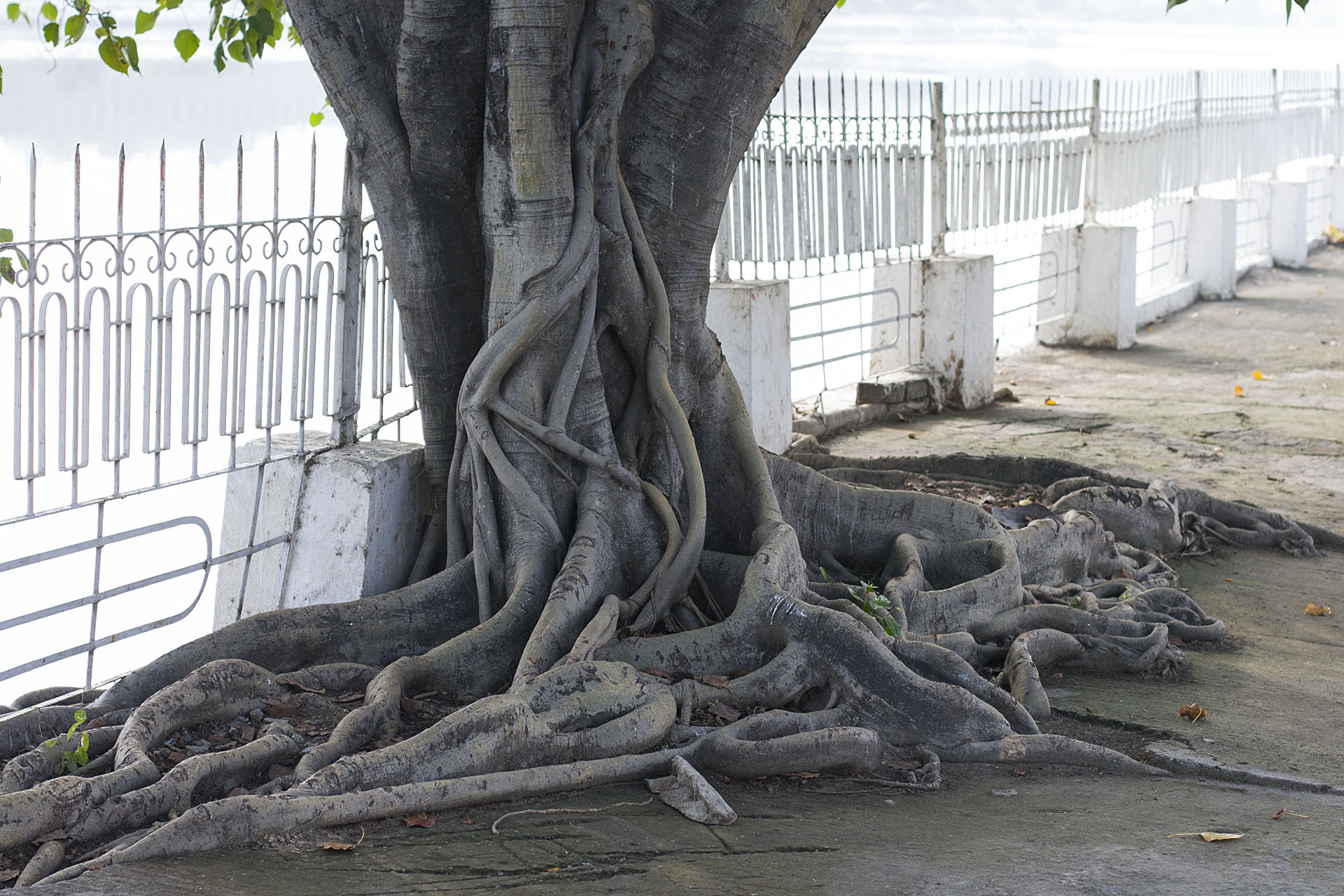
Mandalay, pień banyana.
Kto by pomyślał, że to takie pasożytnicze drzewo… I że nazwa (jego) pnia dała nazwę jednemu z kluczowych pojęć w buddyźmie.